
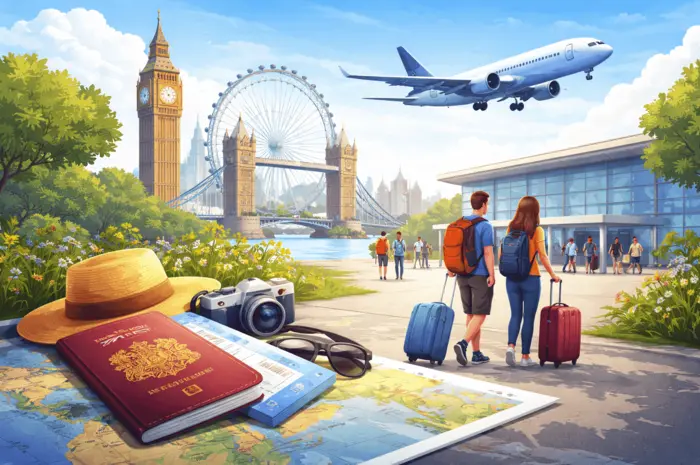
Flying abroad for the first time can feel like a lot. New rules, unfamiliar steps, and that quiet fear of missing something important. Here’s the good news. Once you understand the flow, it’s actually straightforward.
This guide walks you through everything, from booking your ticket to stepping out of the airport in a new country. No assumptions. No gaps. Just clear, practical steps.
What You Need Before Booking an International Flight
Passport Requirements
Your passport is the first thing to check.
Most countries require at least six months of validity from your travel date. If your passport expires sooner, you may not be allowed to board.
Check it early. If needed, renew it well in advance.
Visa Requirements
Visa rules depend on your destination.
- Some countries allow visa-free entry
- Some offer visa on arrival
- Others require an eVisa or embassy application
Always check official government sources. Don’t rely on assumptions.
Travel Insurance
Skipping insurance is a risk.
A good policy covers:
- Medical emergencies
- Trip cancellations
- Lost or delayed baggage
It’s a small cost that protects you from big problems.
How to Book an International Flight from the UK
Where to Book
Use comparison websites to explore options, then book directly with the airline when possible. It gives you better support if plans change.
Choosing the Right UK Airport
Pick your airport based on convenience, not just price.
- Heathrow: Best for global routes and long-haul flights
- Gatwick: Easier to navigate and often less crowded
- Manchester: Strong option if you’re in the north
Understanding Ticket Types
Not all economy tickets include the same benefits.
- Basic economy: Usually no checked baggage
- Standard economy: Includes baggage and seat options
- Premium options: More space and added comfort
Always check what’s included before booking.
Direct vs Connecting Flights
- Direct flights: Faster and simpler
- Connecting flights: Cheaper but involve layovers
If you choose a connection, allow at least 2 to 3 hours between flights.
Understanding Baggage Rules
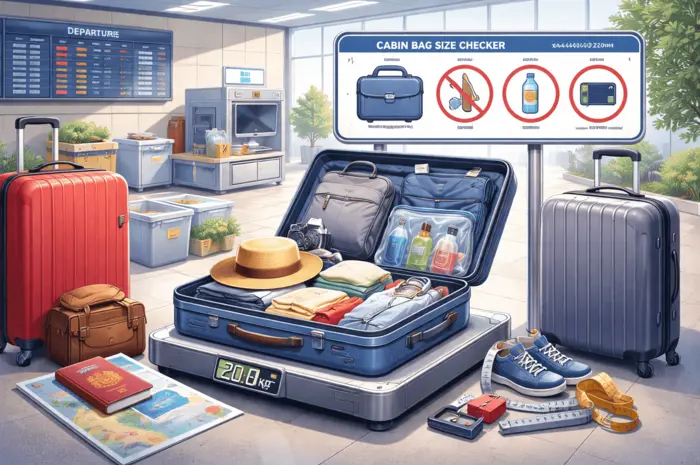
Cabin Baggage
Airlines have strict rules.
- Liquids must be under 100ml
- All liquids must fit in one clear bag
- Essentials should stay in your cabin bag
Checked Baggage
Most long-haul tickets include checked baggage, but not always.
- Typical weight limit: 20 to 23 kg
- Extra weight means extra fees
Weigh your bag before leaving home.
Prohibited Items
Do not pack:
- Sharp objects
- Large liquid containers
- Restricted batteries
Check airline guidelines if unsure.
Preparing for Your Flight
When to Arrive
Arrive at least three hours before your international flight.
Airports get busy. Extra time keeps things stress-free.
Check-in Options
Online check-in is the easiest option.
- Opens 24 to 48 hours before departure
- Lets you choose your seat
- Saves time at the airport
Documents Checklist
Keep these in one place:
- Passport
- Visa if required
- Boarding pass
- Travel insurance
Easy access makes every step smoother.
What Happens at the UK Airport
Step 1: Enter the Airport
Check your terminal before arriving. Large airports have multiple terminals.
Step 2: Check-in or Bag Drop
- If checked in online: go to bag drop
- If not: use the check-in counter
Your passport and booking will be verified.
Step 3: Security Screening
Follow a simple process:
- Place liquids in a clear bag
- Remove electronics
- Put items in trays
Listen to staff and move through calmly.
Step 4: Border Control
Some routes require exit checks. This step is usually quick.
Step 5: Find Your Gate
Check airport screens for your gate number.
Gates can change, so keep checking. Head there early.
Boarding the Plane
Boarding happens in groups.
Wait for your group number, then show:
- Boarding pass
- Passport
Follow instructions and take your seat.
What to Expect During the Flight
Seating and Space
Economy seats are compact. Wear comfortable clothing for long journeys.
Food and Drinks
- Long-haul flights usually include meals
- Shorter flights may offer paid options
Staying Comfortable
- Drink water regularly
- Move when possible
- Use a neck pillow if needed
Adjust your sleep to your destination time if you can.
Arrival in a Foreign Country
Immigration
You’ll show your passport and answer a few basic questions.
Keep answers simple and honest.
Baggage Claim
- Check screens for your flight number
- Go to the correct carousel
- Collect your luggage
Customs
- Green channel: nothing to declare
- Red channel: items to declare or restricted goods
Follow signs and instructions.
Common Mistakes First-Time Travellers Make
- Arriving too late at the airport
- Not checking visa requirements
- Ignoring baggage rules
- Booking tight connections
Avoid these, and your journey becomes much easier.
Tips to Make Your First Flight Stress-Free
- Pack the night before
- Keep documents together
- Download your airline app
- Arrive early and stay relaxed
Simple habits remove most of the stress.
Best UK Airports for International Travel
- Heathrow: Best for long-haul and global destinations
- Gatwick: Easier layout and quicker movement
- Manchester: Great for northern travellers
Choose what works best for your location and route.
Final Thoughts
Your first international flight might feel overwhelming right now. That’s normal.
But once you go through it step by step, it becomes routine. Airports follow a clear system. Staff guide you. Everything is designed to move you forward.
Prepare well. Give yourself time. Keep things simple.
After your first trip, you’ll wonder why it ever felt complicated.
For more practical travel guides and insights, explore more on Caledonian Travel.
FAQs
At least three hours before departure.
It depends on your destination. Always check official sources.
Liquids under 100ml, essentials, and valuables.
Usually no. Most countries require at least six months validity.
Contact your airline immediately. Fees or rebooking may apply.
No. A digital boarding pass is usually accepted.
Yes. Use flight mode on the plane.
Report it at the airport. The airline will assist and track it.
You change planes at another airport. Follow transfer signs and check your next gate.
Yes, if carrying £10,000 or more.